

Sally is living proof Alzheimer’s can be reversed.

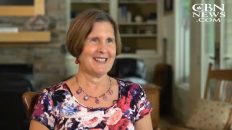
Hello, I’m Sally Weinrich, and I’m living proof that Alzheimer’s can be reversed.  For over seven years I’ve been following Dr. Bredesen’s ReCODE Protocol.  That’s short for reversal of cognitive decline.  Alzheimer’s starts small. The first symptoms can look like normal aging changes, and Alzheimers may take 20 years to fully develop. I had aunts and uncles, two on each side of my family that died from Alzheimer’s.  So, you can understand why I was terrified when I had my first major memory problems in 2000 when I was only 52 years old. We were living in a home with black mold and at that time I had no idea that mold can cause Alzheimer’s disease.  Now I am 75 years old which is 23 years later.  And thanks to ReCODE my cognition is good.  I am convinced that if I had not followed the ReCODE Protocol I would already be in a nursing home with advanced Alzheimer’s or perhaps even more likely not here at all. 

ReCODE Benefits and Challenges

In 2015 before I heard about Dr. Bredesen, I joined a multicenter national study designed to test whether the removal of beta amyloid plaques from my brain would delay Alzheimer’s.  I stuck with it for eight monthly treatments, but then I withdrew because each treatment made me even more confused than I was before the treatment.  After my husband showed me Dr. Bredesen’s article on reversal of cognitive decline, I decided to try ReCODE.  I have discovered more benefits in my life from following ReCODE than I can begin to name.  There are also challenges.  For example, my brain thinks much more clearly when I eat a plant-based ketogenic diet.  A small device that I breathe into, measures whether I am or am not ketogenic.  Limiting my carbohydrates can be tough.  I really miss my whole wheat bread. 

Importance of Exercise

Some days I do leave out parts of the Protocol, but most of the time I just do it and tell myself I’m going to keep my brain working.  If not for myself, then I’m doing it for the ones I love.  The ReCODE Protocol includes physical exercise since exercise increases the blood flow to the brain.  After exercising, I notice right away that I’m thinking more clearly.  I’m currently practicing for a 2 mile swim across Lake Murray here in South Carolina.  Each time I practice, I try to swim a little longer.  This is kind of like the ReCODE Protocol.  I keep doing it regularly and my brain gets a little bit better each time.  Practitioners trained in Dr. Bredesen’s ReCODE Protocol, such as Dr. Susan Brock, have been essential to my recovery.  They have identified and treated undiagnosed contributors to my cognitive decline including sleep apnea and toxins. 

A Life Worth Living

Today, I no longer have those awkward conversations where I cannot remember what I want to say.  And most importantly to me, I don’t get mixed up and call my grandchildren by their wrong names. Being on the ReCODE Protocol has kept my life worth living and it can do the same for you.  And so I invite you to consider right here, right now in what way does my story apply to you?  How much do you want to keep your brain and your personality?  How would choices you make today not affect only you but the ones you love?  Thanks to ReCODE, I look forward to treasuring what brings me joy – my family, my friends and beautiful sunsets.  What are you willing to do to create a future you can treasure together with your loved ones?

Get Started today!

By visiting Apollo Health, you can learn more about Dr. Bredesen and the ReCODE Protocol. 

ALZsurvivor [home] > Sally’s Update: ReCODE Still Effective

COVID-19 & ALZ connection (mask)

The TRUTH About Alzheimer’s Drugs . . .

Share It!

See more memes here.
Share 'em - help save lives!

Glossary


ALZ

abbreviation for Alzheimer’s Disease

Alzheimer’s Disease

a type of dementia and a progressive disease of the brain that slowly causes impairment in memory and cognitive function. Alzheimer’s disease happens when the brain tries to protect itself from three metabolic and toxic threats:

1 - Inflammation (from infection, diet or other causes)

2 - Decline and shortage of supportive nutrients, hormones and other brain-supporting molecules

3 - Toxic substances such as metals or biotoxins (poisons produced by microbes such as molds)


The protective response causes APP (Amyloid Precursor Protein, the long molecule that protrudes from neurons) to be cut into four fragments, including amyloid-beta, that downsize the neural network and eventually destroy synapses and neurons. When the APP molecule is cut into those four pieces, it is not cut into the two pieces that nourish and maintain synapses.

Alzheimer's disease is a state of the brain in which there is an imbalance between the reorganization of synapses that have outlived their usefulness (and which the brain can stand to lose - healthy destruction) and the maintenance or creation of existing and new synapses (which the brain needs to sustain old memories and form new ones, as well as perform other cognitive functions). That imbalance  comes from too many  of the synapse- and neuron-destroying quartet  of molecules snipped from APP and too few  of the synapse- and neuron-sustaining duo  of molecules snipped from APP.


ApoE4

abbreviation for apolipoprotein E, a gene variant (allele) which is a protein that carries lipids – i.e. fats. Carrying one ApoE4 (inherited from one parent) increases your lifetime risk of Alzheimer’s to 30 percent. Carrying two copies (from both parents) increases it to 50 to 90 percent. That compares to a risk of only about 9 percent in those who carry zero copies of this allele.

APP

abbreviation for Amyloid Precursor Protein, the long molecule that protrudes from neurons


Cognoscopy

metabolic and genetic testing that identifies cognitive decline or what may be putting you at risk for it

Dementia

umbrella term for a group of symptoms (a syndrome) without a definitive diagnosis. Dementia is a group of symptoms that affect mental cognitive tasks such as memory and reasoning. (Alzheimer’s Disease is the most common type of dementia.)

Early Alzheimer’s Disease

an early onset of Alzheimer’s Disease and uncommon form of dementia that typically affects those under the age of 65

Functional Medicine

a systems biology–based approach that focuses on identifying and addressing the root cause of disease

Heterozygous

carrying 1 copy of the ApoE4 genetic variant

Homozygous

carrying 2 copies of the ApoE4 genetic variant

Integrative Medicine

healing-oriented medicine that takes account of the whole person, including all aspects of lifestyle. It emphasizes the therapeutic relationship between practitioner and patient, is informed by evidence, and makes use of all appropriate therapies.

Ketoflex 12/3

anti-Alzheimer’s diet to include at least 12 hours of fasting, with the first 3 hours of that fast starting after dinner. It is largely plant based, but flexible as it does allow for small amounts of meat or fish.

MCI

Mild Cognitive Impairment

MCT oil

an abbreviation for medium chain triglyceride (a saturated fat) which is found in coconut oil.  Alzheimer's impairs the brain's ability to use sugar.  An MCT ketogenic diet offers an alternative energy source:  ketones.  This allows brain cells to survive better, blocking a receptor in the brain that causes memory loss.

SCI

Subjective Cognitive Impairment – a precursor to MCI (Mild Cognitive Impairment)

The Bredesen Protocol

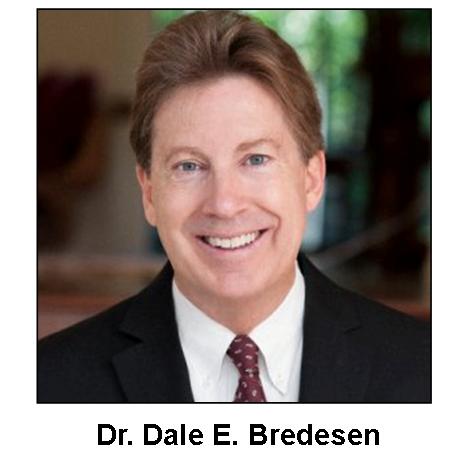
treatment program developed by Dr. Dale E. Bredesen to prevent and reverse cognitive decline (also known as The ReCODE ProtocolTM)